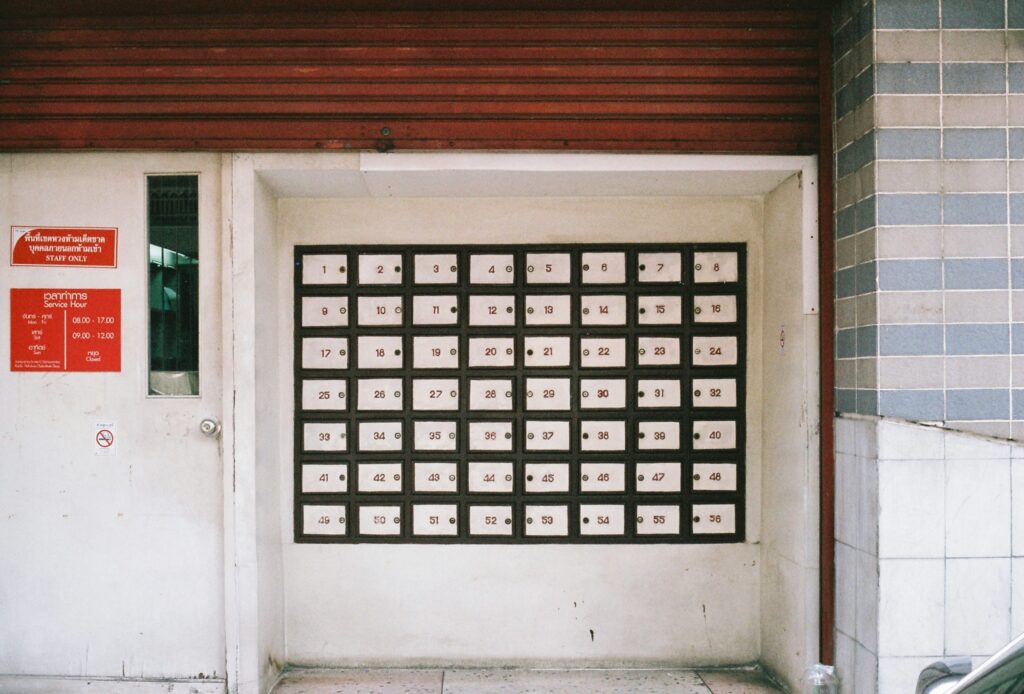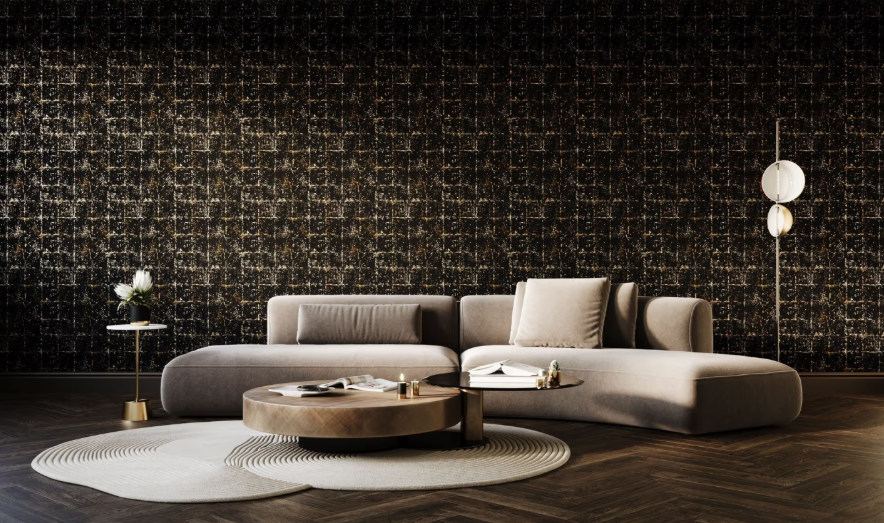
In real estate and interior marketing, emptiness is rarely neutral. An unfurnished apartment does not feel minimal. It feels undefined. A vacant living room does not feel spacious. It feels uncertain. Buyers walk in and struggle to measure proportions. Online viewers scroll past because there is nothing to anchor their attention.
Empty spaces do not tell stories. They ask questions.
Digital furniture staging changes that dynamic entirely. It does not simply decorate a room. It gives structure to perception. It turns blank square meters into lived-in possibilities. And in a market where decisions are made in seconds, that shift is not cosmetic. It is strategic.
Let’s examine how.
Empty Spaces Do Not Sell Possibility. They Sell Doubt.
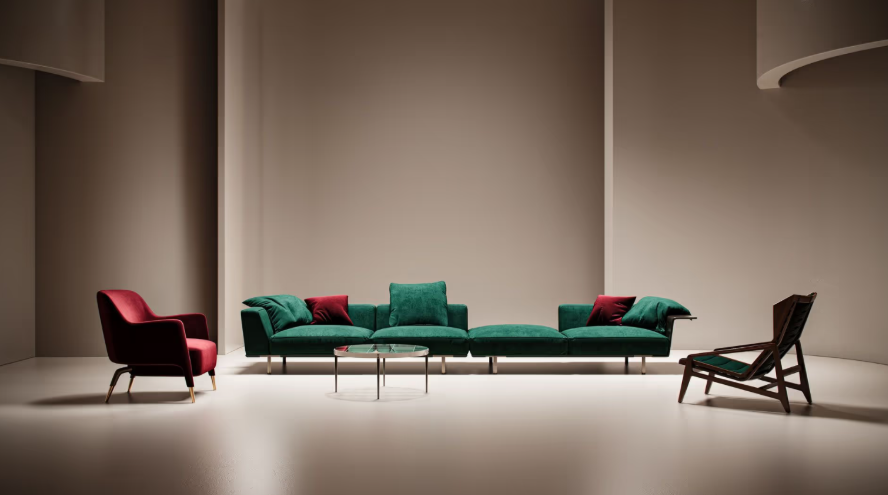
When a property is presented without furniture, the viewer must do all the cognitive work. They must imagine where the sofa goes. Estimate whether a dining table will fit. Visualize circulation paths. Translate raw dimensions into daily life.
Most people are not trained to do that.
Even experienced buyers hesitate when they cannot intuitively read a space. Corners look smaller than they are. Ceilings feel lower. Layouts appear awkward simply because there is no reference point. Online, the problem multiplies. Photographs flatten depth. Scale becomes ambiguous. The room becomes an abstract box.
Digital furniture staging introduces clarity. By placing proportionally accurate furnishings within a space, it provides scale, context, and rhythm. A sofa establishes width. A rug defines boundaries. Lighting layers create depth.
The room stops being a diagram. It becomes an environment.
And that difference translates directly into engagement.
Staging Has Moved from Physical Logistics to Digital Precision
Traditional staging requires transportation, rental inventory, installation teams, and tight coordination. It is effective, but it is also costly and limited by availability. Once installed, it is static. If the target audience shifts, the furniture does not.
Digital staging operates differently.
Using advanced 3D furniture rendering services, designers can furnish a space virtually with exact proportions, accurate materials, and lighting that mirrors real conditions. The physical room remains untouched. The visual narrative becomes flexible.
This flexibility is not merely convenient. It is powerful.
A single apartment can be presented in multiple styles: contemporary minimalism for young professionals, warm transitional aesthetics for families, or soft luxury for premium buyers. Instead of guessing which audience will respond, developers can test visual positioning digitally.
The space remains the same. The perception evolves.
From Photograph to Visualization Strategy
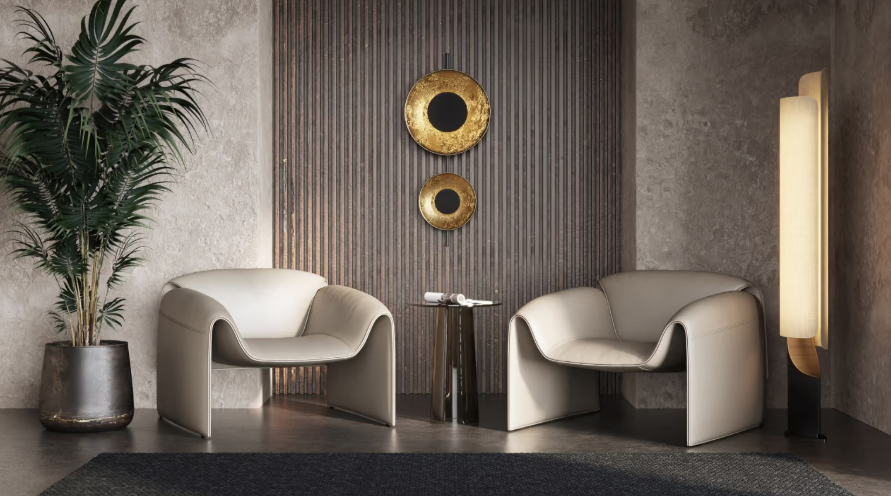
Digital furniture staging is often misunderstood as simple image editing. In reality, when executed at a professional level, it is architectural visualization.
The process begins with accurate photography or architectural plans. Measurements are respected. Natural light direction is analyzed. Surface textures are studied. Then, furniture is introduced in 3D, rendered with realistic shadows, reflections, and material behavior.
This is where 3D furniture rendering services become critical. The quality of modeling determines whether the result feels authentic or artificial. High-resolution textures, fabric folds, subtle imperfections in wood grain, and calibrated light temperature all contribute to credibility.
Buyers today are visually literate. They recognize overly glossy surfaces or unrealistic scale immediately. Trust is built through detail.
When done correctly, digital staging does not look like a layer placed on top of a photograph. It feels integrated. Coherent. Believable.
And believability drives confidence.
Market-Ready Means Emotionally Readable
A market-ready interior is not simply furnished. It is emotionally legible.
Furniture placement defines lifestyle cues. A reading chair beside a window suggests quiet mornings. A generously sized dining table implies gatherings. A workspace tucked into a corner signals functionality without compromise.
Digital staging allows designers to curate these signals intentionally.
Instead of filling space randomly, each element is positioned to guide the viewer’s eye and narrative. Composition matters. Symmetry or asymmetry influences perception. Negative space communicates calm. Layered textiles introduce warmth.
This is not decoration. It is psychological framing.
Because property decisions are rarely purely rational. They are shaped by feeling. Buyers imagine themselves within the scene. They test how their routines would unfold there. Digital staging provides the scaffolding for that imagination.
Without it, the imagination stalls.
Online Listings Are Visual Gateways
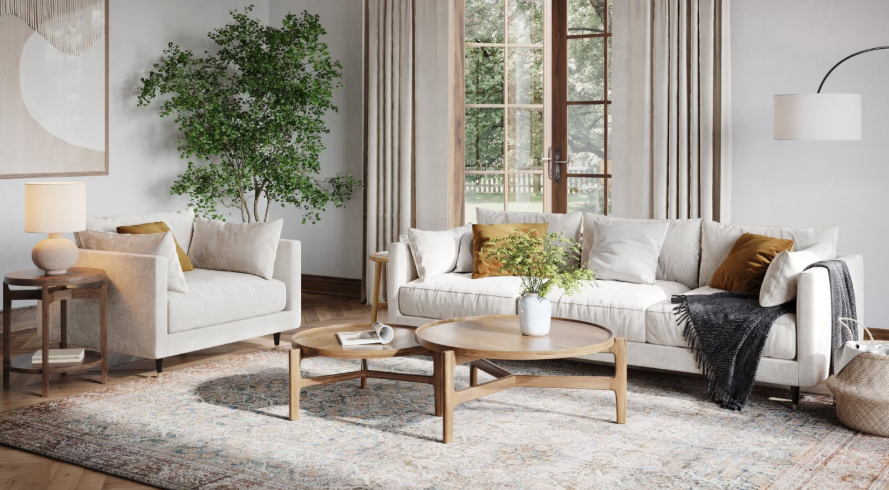
In many markets, over ninety percent of buyers begin their search online. The first interaction with a property is not physical. It is visual and digital.
An empty interior struggles to compete in a scroll-based environment. It lacks contrast and focal points. Staged imagery, by comparison, captures attention quickly. It communicates both scale and style in a single glance.
The addition of a 3D product viewer elevates this experience even further.
Instead of static images alone, potential buyers or investors can interact with furnishings digitally. Rotate a chair. Zoom into fabric texture. Examine proportions from different angles. This level of interaction transforms passive viewing into engagement.
It shortens the psychological distance between image and ownership.
And in competitive markets, reducing friction in decision-making can be decisive.
Developers Gain More Than Aesthetic Value
For developers and property marketers, digital furniture staging offers operational advantages beyond visual appeal.
First, it accelerates timelines. Marketing materials can be produced before construction is completed. Showrooms can be visualized long before physical fit-outs are installed. Pre-sales campaigns can launch earlier.
Second, it reduces cost volatility. There is no risk of furniture damage, no shipping delays, no storage requirements. Updates can be implemented digitally without reinstalling entire setups.
Third, it enhances adaptability. If buyer feedback indicates a preference for lighter palettes or different layouts, revisions can be rendered efficiently. The visual strategy evolves in real time with market insight.
Here, 3D furniture rendering services act as a strategic asset rather than a decorative tool. They support sales, investor presentations, and branding alignment simultaneously.
Digital staging becomes part of a broader marketing ecosystem.
Interior Designers Benefit from Visualization Alignment
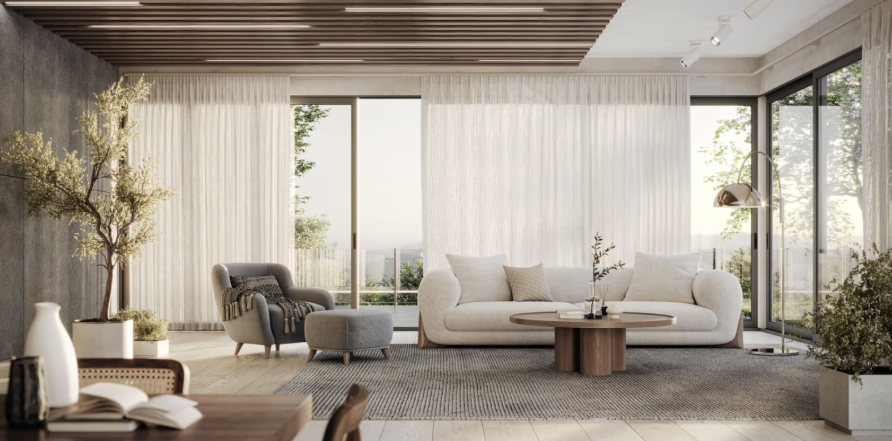
These days, designers use digital staging to help clients actually see the ideas they’re pitching. Mood boards and floor plans are nice, but most clients just can’t picture how everything will look once it’s all in place. They want to see how the sunlight hits the fabrics, how that big sofa fits in their living room, or how the paint color will shift the whole vibe.
When designers bring in staged visualizations, things get a lot simpler. Everyone’s on the same page faster, and it’s much easier to sort out changes before money gets spent. The back-and-forth over approvals turns into a smooth process, and nobody’s left guessing what the end result will be.
Add a 3D product viewer into the mix, and clients can check out specific pieces of furniture for themselves. They can spin things around, check finishes, try out different setups, and really get a sense of size. That kind of experience makes decisions feel way less risky.
All of this builds trust between designers and clients. And when people trust you, they decide faster.
Visual Consistency Strengthens Brand Identity
Now, for developers working on multi-unit projects, keeping visuals consistent is everything. You can’t have one apartment looking sleek and modern and another looking totally off-brand. Digital staging helps keep every unit’s imagery in line with the brand’s style.
If you’re selling a development as refined and contemporary, then every detail needs to send that same message. Letting things slip or mix-matching just confuses buyers.
That’s where professional 3D furniture rendering comes in. It lets you control every visual detail from a single place. Color schemes, materials, lighting — everything stays consistent across every campaign. The result? A story that makes sense from start to finish.
Brand identity isn’t just about logos or pamphlets. It’s in the feel of every space you show. That’s how people remember you.
Sustainability and Resource Efficiency
Let’s talk about sustainability for a second. Physical staging chews through a lot of resources — furniture gets hauled in, set up for a few days, then loaded back on trucks and moved again. All that moving around burns fuel and wastes materials. Digital staging skips most of that hassle. You cut down on stuff you don’t need and slash the amount of driving and shipping.
It doesn’t mean physical showrooms are gone forever, but digital staging keeps you from doubling up on effort. Decisions happen sooner, so people don’t waste time (or money) redoing things.
So, when you think about efficiency here, it’s not just about saving cash. It’s about taking care of the planet, too.
The Shift from Visualization to Experience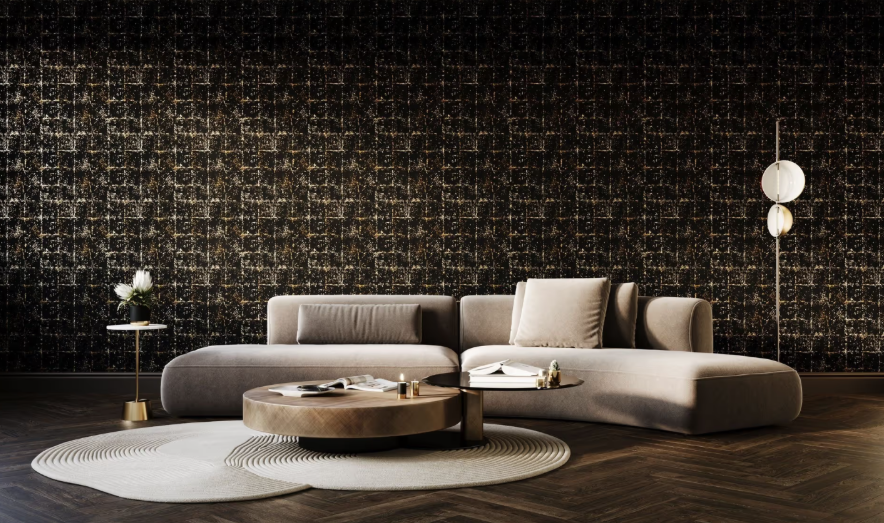
Digital furniture staging is moving past just pretty pictures. The future’s interactive.
Tech keeps getting better, so soon, static images won’t cut it. People will walk through virtual rooms, swap out sofas, mess with the lighting, or move furniture around themselves. They’ll get to try things out, not just look at them.
When you blend 3D furniture rendering with high-end visualization tools and product viewers, the line between marketing and design starts to disappear. Instead of showing a single finished look, designers will hand over flexible, personalized experiences.
Buyers won’t sit back and watch; they’ll jump in and play. That kind of hands-on experience? It sticks. People remember it. They feel more involved, and that makes them care more.
Transforming Emptiness into Opportunity
Here’s the thing: empty rooms don’t say much. They just feel unfinished.
Digital staging fixes that. By dropping in well-chosen furniture, perfect lighting, and details that feel real, it turns a blank slate into something inviting. Suddenly, people see possibilities instead of question marks. The room starts to make sense, but without feeling forced.
These days, images help people make decisions. If you can see a space, you can trust it. If it feels like it fits your life, you can picture yourself living there. When a room lines up with what someone wants, making a choice gets easier.
So, digital furniture staging isn’t just about filling space. It’s about telling a story.
And in a world where attention is short and expectations are sky-high, turning emptiness into something market-ready isn’t just helpful.
It’s a must.