Climate Responsive Gardening Is the New Standard
Gardening in 2024 isn’t just about what looks good it’s about what survives. Weather patterns are getting less predictable by the season: flash droughts, surprise freezes, heatwaves in spring. The result? Gardeners are rethinking their plant choices, swapping out the needy and delicate for tougher, smarter picks.
Drought tolerant natives are leading the charge. These plants already know how to handle the local climate swings, so they need less water, adapt quickly, and create safer zones for pollinators that are also under pressure. Expect to see gardeners favoring milkweed, yarrow, and echinacea over water thirsty standbys like impatiens or hydrangeas.
To stay one step ahead, more folks are turning to tools that track hyper local weather patterns. Apps like Climate AI and Gardenate help predict rain, frost, and planting windows down to the zip code. It’s no longer about a fixed planting calendar. It’s about a flexible, responsive toolkit and knowing your exact microclimate better than your neighbor does.
This trend isn’t optional. If your garden can’t roll with the punches the climate throws, it won’t make it past June.
Edible Landscapes Are Going Mainstream
Edible gardening is no longer confined to neatly packed vegetable rows. More gardeners are weaving vegetables, herbs, and fruiting plants directly into ornamental spaces blurring the line between beauty and utility.
Functional Meets Beautiful
Incorporating edibles into your landscape design offers both aesthetic and practical benefits:
Color and texture: Leafy greens, chard, and purple basil offer rich textures and shades to mix with flowers
Edible beauty: Strawberries, blueberries, and dwarf fruit trees double as fruit producers and eye catching elements
Pollinator friendly picks: Many edibles attract essential pollinators, enhancing biodiversity in your garden
Low Maintenance Seasonal Options
Gardening through the seasons doesn’t have to mean more work. With the right plant choices, your edible landscapes can thrive with minimal upkeep:
Spring:
Peas
Radishes
Kale
Summer:
Tomatoes (especially determinate varieties)
Basil
Zucchini
Fall:
Garlic
Carrots
Swiss chard
These selections work well in mixed beds and adapt easily to transitioning conditions from season to season.
Small Spaces, Big Harvests
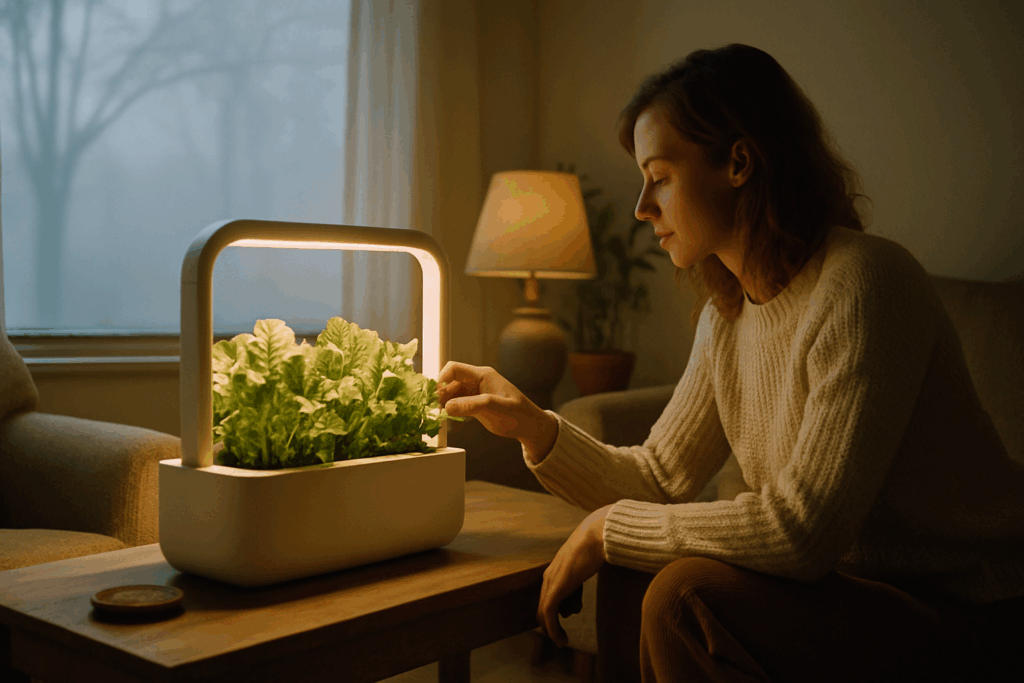
City dwellers and small space enthusiasts can still enjoy edible landscapes. Container gardening and vertical setups make growing your own food possible even on balconies and patios.
Compact varieties: Opt for bush style cucumbers, patio tomatoes, and mini pepper plants
Vertical growing: Use trellises and tiered planters to save ground space
Mobile containers: Arrange pots for sun access and bring them indoors during colder months
When designed thoughtfully, even the smallest garden space can become a thriving edible oasis.
Bold Color Palettes Are Making a Comeback
Gardens aren’t going gray in 2024. We’re seeing a bold pivot toward vivid, unapologetic color. Seasonal blooms are going louder think marigold yellows, deep magentas, and electric blues, often used together. The rulebook’s been tossed. Instead of aiming for subtle gradations, people are chasing contrast. A riot of color now signals intention, not chaos.
But it’s not just about flowers. Foliage is doing heavy lifting, too. Layering different textures like broad hosta leaves against upright ornamental grasses adds depth. Statement planters in brushed metal, matte black, or even terracotta tones aren’t just containers anymore they’re part of the visual rhythm.
As the seasons change, smart gardeners are pulling tired blooms and swapping in fresh eye catchers. Tulips give way to zinnias, summer annuals roll into autumn mums. It takes some planning, but the payoff is a garden that never hits a visual lull. Color is back, but it’s got structure behind it.
Texture and Contrast Over Symmetry

In 2024, garden design is shifting away from tidy rows and perfect symmetry. Instead, it’s all about creating visual richness by layering textures, contrasting shapes, and embracing nature’s irregularity.
A Move Toward Naturalistic Layouts
More gardeners are looking to the wild for inspiration, designing gardens that feel immersive rather than overly manicured. These layouts mimic meadows, woodland edges, and native plant groupings by allowing plants to grow in organic, loosely structured patterns.
Informal edges and flowing plant groupings
Natural curves over geometric borders
Emphasis on variety and biodiversity
Mixing Heights, Shapes, and Growth Habits
Combining tall grasses with low growing ground covers, upright bloomers with mounding perennials this intentional contrast creates a layered, textured look that changes with the seasons.
Use vertical variation to guide the eye through the space
Mix spiky, broadleaf, and trailing plant forms
Include plants with different bloom times and foliage changes
Maximizing Year Round Interest
Keeping a garden compelling in all seasons requires thoughtful planning. By selecting plants with diverse textures, growth patterns, and seasonal interest, gardeners can ensure their landscapes stay engaging long after peak bloom.
Choose evergreen elements for winter structure
Incorporate seedheads, bark textures, and dried grasses for fall and winter
Rotate in seasonal annuals for pops of color and dynamic change
Texture driven design isn’t just a fleeting trend it reflects a deeper desire to reconnect with nature’s rhythm and diversity throughout the year.
Sustainability Is Driving Design Choices
In 2024, sustainable gardening is less a trend and more a default setting. Gardeners are leaning harder into organic soil amendments think biochar, worm castings, kelp meals not just for yields but for long term soil health. It’s not about overfeeding plants anymore; it’s about feeding the ecosystem.
Composting is also evolving. More homeowners are onboarding aerobic compact systems, even in tight urban settings. Municipal compost pickup programs and closed loop garden setups are turning food scraps into fuel with minimal hassle. Passive composting piles in the corner are giving way to smarter, faster methods with fewer pests and better results.
Then there’s water. With droughts still looming large, water wise irrigation is the new gold standard. Smart controller systems synced to weather apps, drip line kits that target the root zone, and even rainwater catchment barrels are becoming basic toolkit items.
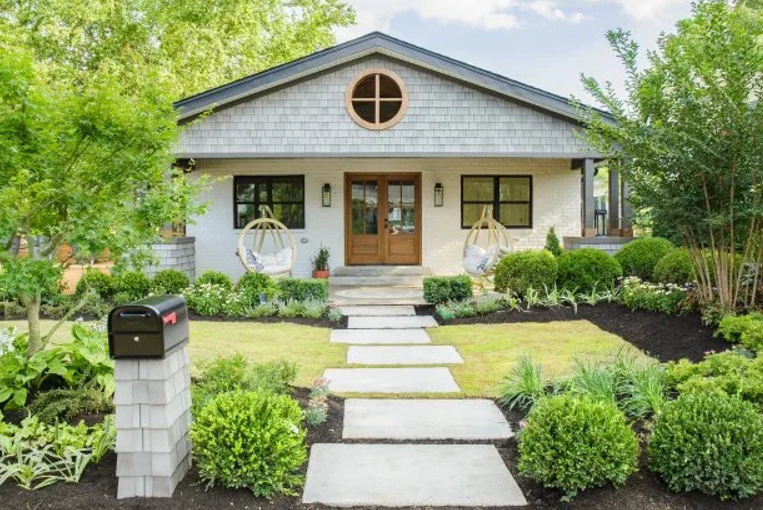
When it comes to hardscaping, reclaimed is king. Brick, stone, old pavers materials with a story and a smaller footprint are getting a second life in patios and pathways. Gardeners are shunning flashy symmetry for function and low impact. Less concrete, more crushed gravel. Less polish, more purpose.
This is gardening with restraint and intention. No frills, no fluff all rooted in respect for what the land can give (and take).
Design Inspired by Nature, Not Just Aesthetics
The newest garden design trend isn’t about standing out it’s about blending in. Instead of polished edges and showy symmetry, more gardeners are embracing a grounded, nature forward look that mirrors the untamed beauty of the outdoors. Think paths made of uncut stone, fences that fade into the tree line, and plant mixes that look like they seeded themselves there.
Raw materials lead the way unfinished wood, rugged stone, and timeworn metal are replacing the overly manicured. Edges are irregular, finishes rough, and color palettes muted to reflect the natural landscape. It’s less curated, more connected.
This shift goes deeper than style. It’s about making spaces that feel native not imposed. Gardens now aim to hum quietly with the terrain, not shout over it. It’s a reaction to years of over styled outdoor spaces. Imperfection is welcome. Minimal impact, maximum harmony.
For more on how this philosophy is rewriting the playbook on outdoor design, check out the growing influence of nature inspired decor on modern gardening.
Seasonal Planning Tips That Actually Work
Gardeners who want visual impact all year long know it’s not about planting once and crossing your fingers. It’s about planning in layers. Staggered bloom cycles that is, using plants that flower in succession through the seasons are key. Think daffodils and tulips for early spring, followed by summer workhorses like coneflowers, zinnias, or salvia. Come fall, mums and ornamental grasses take the lead, while evergreen structure holds strong in winter.
Rotating planting zones within your garden can help you keep things fresh without ripping everything out every few months. Understand which parts of your space get heat, shade, or wind exposure at different times of year, and plant accordingly. Seasonal planting charts can be your low tech secret weapon. Tape one to the back of the shed door and actually use it.
And don’t forget to plan ahead. The time to think about summer heat isn’t July it’s late winter. The time to think about winter interest is not when the snow falls it’s early fall. Map out moments now: those first color hits in March, the bold shades of October, the crisp silhouettes of bare branches in January. The more you anticipate seasonal transitions, the less reactivity and disappointment you’ll deal with later.
Where It’s All Going
Gardens are no longer just for aesthetics or the occasional summer tomato. They’re becoming extensions of living space with a shift toward purpose, calm, and even healing. People are designing with intention: meditation corners with soft grasses underfoot, shaded thinking spots bordered by lavender or bamboo, and edible herbs within reach of the morning tea routine. It’s form meeting function, with a wellness twist.
At the same time, gardening is going hyper local. Neighborhood tool shares, native seed swaps, DIY compost collectives there’s a renewed focus on community over commercial. Gardeners are leaning into what works right where they are, creating small but powerful networks that make patch by patch change.
Designers are catching up. Gone are the glossy catalogs with cold perfection. Today, it’s all about blending into the earth, not sitting on top of it. Natural textures untreated wood, rugged stone, uneven pavers are front and center. There’s a gravitation toward grounding experiences, and nature does the grounding best.
For more on how this aesthetic mindset is reshaping outdoor design, check out nature inspired decor. It’s not just about looking natural it’s about feeling it.
 Dorothy Hedricksins is the kind of writer who genuinely cannot publish something without checking it twice. Maybe three times. They came to landscaping design ideas through years of hands-on work rather than theory, which means the things they writes about — Landscaping Design Ideas, Outdoor Living Solutions, Creative Inspirations, among other areas — are things they has actually tested, questioned, and revised opinions on more than once.
That shows in the work. Dorothy's pieces tend to go a level deeper than most. Not in a way that becomes unreadable, but in a way that makes you realize you'd been missing something important. They has a habit of finding the detail that everybody else glosses over and making it the center of the story — which sounds simple, but takes a rare combination of curiosity and patience to pull off consistently. The writing never feels rushed. It feels like someone who sat with the subject long enough to actually understand it.
Outside of specific topics, what Dorothy cares about most is whether the reader walks away with something useful. Not impressed. Not entertained. Useful. That's a harder bar to clear than it sounds, and they clears it more often than not — which is why readers tend to remember Dorothy's articles long after they've forgotten the headline.
Dorothy Hedricksins is the kind of writer who genuinely cannot publish something without checking it twice. Maybe three times. They came to landscaping design ideas through years of hands-on work rather than theory, which means the things they writes about — Landscaping Design Ideas, Outdoor Living Solutions, Creative Inspirations, among other areas — are things they has actually tested, questioned, and revised opinions on more than once.
That shows in the work. Dorothy's pieces tend to go a level deeper than most. Not in a way that becomes unreadable, but in a way that makes you realize you'd been missing something important. They has a habit of finding the detail that everybody else glosses over and making it the center of the story — which sounds simple, but takes a rare combination of curiosity and patience to pull off consistently. The writing never feels rushed. It feels like someone who sat with the subject long enough to actually understand it.
Outside of specific topics, what Dorothy cares about most is whether the reader walks away with something useful. Not impressed. Not entertained. Useful. That's a harder bar to clear than it sounds, and they clears it more often than not — which is why readers tend to remember Dorothy's articles long after they've forgotten the headline.