Getting Clear on the Basics
Modern landscaping strips things down to the essentials. It’s all about clean lines, geometric shapes, and intentional space. Think native plants that know how to survive your climate without begging for attention, hardscape materials like concrete and gravel, and a big emphasis on form following function. It’s minimal, it’s efficient, and it quietly makes a statement.
Traditional landscaping leans into symmetry, lush perennials, and well groomed greens that echo old world formality. You’ll see manicured hedges, curved walkways, bursting flowerbeds, and designs that look like they’ve been pulled from botanical estate grounds. It’s less about low maintenance and more about timeless detail.
The style that works best for you? Look at your house. Modern homes with angular architecture pair naturally with sleek outdoor lines. Colonial or Craftsman homes feel more at home surrounded by structure, symmetry, and greenery. The takeaway: your landscaping should be an extension of your home, not a design contradiction.
(Related read: modern landscaping comparison)
Key Differences That Matter

Modern landscaping plays defense against clutter. It leans hard into clean lines, open spaces, and utility. Think of simplicity as a feature, not a limitation. The goal is to guide the eye, not overwhelm it. Traditional landscaping, on the other hand, embraces ornamentation formal paths, layered hedges, and symmetry that leans into nostalgia. It’s less about minimalism, more about mood.
When it comes to plants, modern designs favor fewer species and often use native, drought tolerant selections that require little upkeep. Traditional landscapes go bigger lush lawns, sculpted shrubs, perennial beds. With that richness comes more maintenance: pruning, mowing, seasonal rotations.
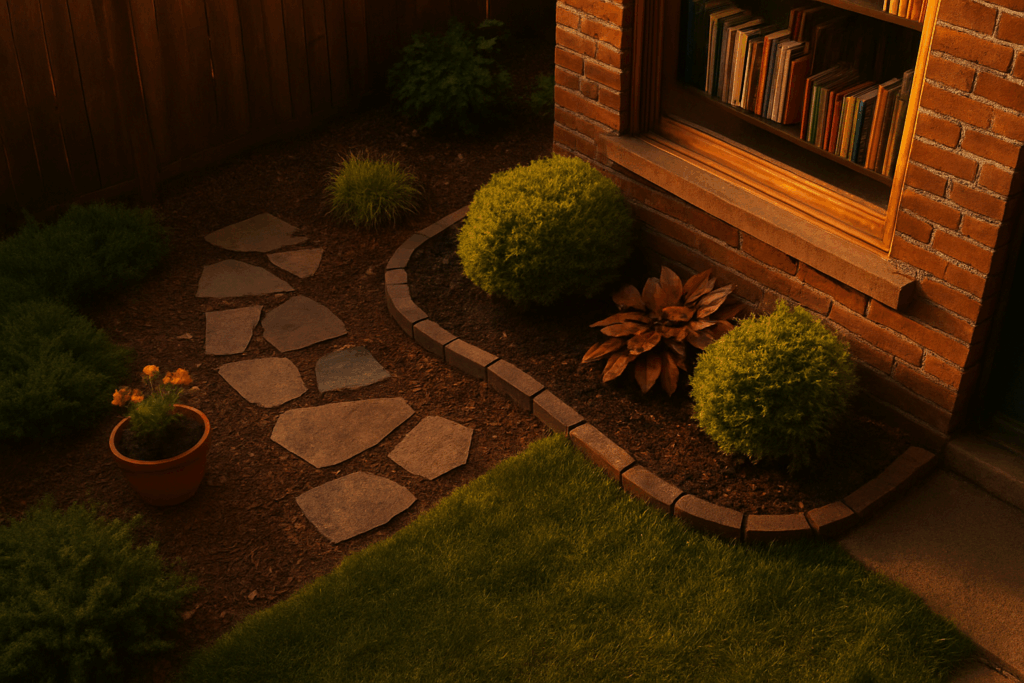
Materials echo the style. Modern systems rely on concrete, gravel, corten steel, and composite decking to sculpt clean shapes and streamline hardscape design. Traditional spaces bring texture through brick pathways, stacked stone walls, and natural wood trim. Each creates a different kind of presence modern keeps it muted, traditional invites you in.
Lighting and water features follow form. In modern yards, lighting is often subtle, built into the architecture or landscape edges, designed to highlight shape. Water features are geometric and quiet sheets, troughs, clean lined basins. Traditional designs go for the emotional hit: ornate fountains, illuminated statues, and warm glow path lights channeling a classic garden ambiance.
Want more details? Here’s a deeper look at how these styles play out: modern landscaping comparison
Choosing What’s Right for Your Property
Start with the house. If your home is a mid century modern, clean lines and drought tolerant plants will make more sense than boxwood hedges and cobblestone walkways. A colonial or a craftsman? Traditional landscaping with structure and symmetry might help highlight those architectural details. The key is alignment your landscape should reinforce, not fight, your home’s design and materials.
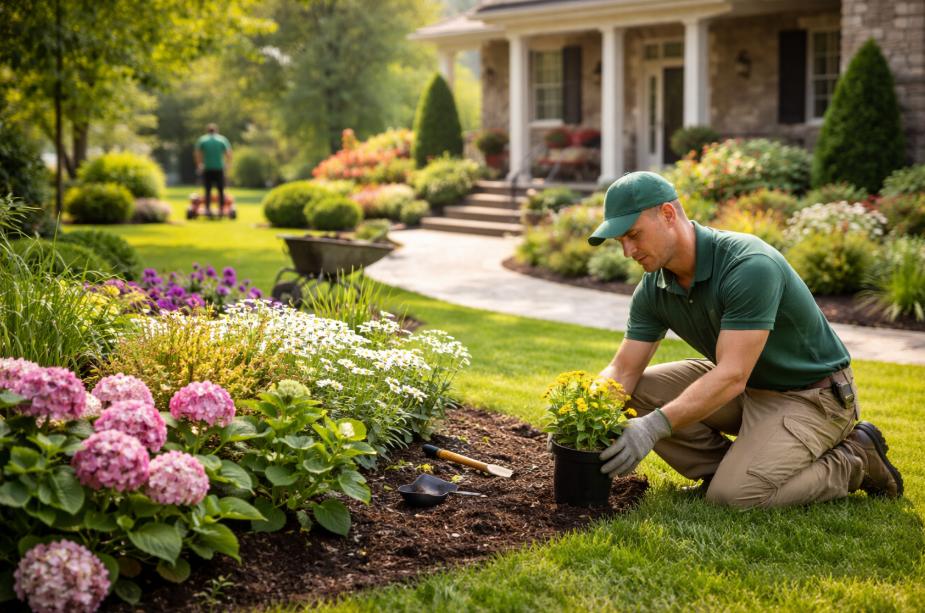
Then factor in the non negotiables: climate, budget, and maintenance. A xeriscaped front yard might look sharp and sustainable in Phoenix but fall flat in a humid New England neighborhood. High maintenance boxwoods and flower beds might look great on day one, but if your weekends are limited (or your wallet is), go low effort. Landscaping isn’t just curb appeal it’s real life upkeep.
It’s also investment. Thoughtful landscaping can push up property value but only if it weathers well and feels integrated. That means using materials that age with grace, selecting plants that thrive long term, and avoiding too many trend driven choices that could look dated in five years.
And if you’re drawn to elements from both modern and traditional landscaping? Blend them with intent. Steel planters can pair with a Colonial brick walkway if colors and scale are balanced. Use modern lighting with traditional planting to update without clashing. The secret to a good hybrid design is restraint it should look like a conversation, not an argument.
Final Takeaways
Here’s the truth: there’s no universal landscaping rulebook. What works in one yard can fall flat in another. Some properties glow with minimalism, others need the lush familiarity of traditional garden beds. Picking a style isn’t about chasing trends it’s about shaping a space that fits your lifestyle.
If you’re someone who loves crisp order and low maintenance upkeep, modern design might be your lane. Prefer a welcoming garden with layers and blooms matched to the seasons? There’s nothing wrong with classic symmetry and green sprawl.
In the end, it’s about how the landscape lives with you. A smart design doesn’t just look good it holds up to real life. Kids, pets, parties, quiet mornings with coffee it all matters. Sustainable choices, thoughtful placements, and personal touches will outlast flashy installs every time.
 There is a specific skill involved in explaining something clearly — one that is completely separate from actually knowing the subject. Quenlisa Zephoria has both. They has spent years working with sustainable home practices in a hands-on capacity, and an equal amount of time figuring out how to translate that experience into writing that people with different backgrounds can actually absorb and use.
Quenlisa tends to approach complex subjects — Sustainable Home Practices, DIY Garden Projects, Home and Garden Trends being good examples — by starting with what the reader already knows, then building outward from there rather than dropping them in the deep end. It sounds like a small thing. In practice it makes a significant difference in whether someone finishes the article or abandons it halfway through. They is also good at knowing when to stop — a surprisingly underrated skill. Some writers bury useful information under so many caveats and qualifications that the point disappears. Quenlisa knows where the point is and gets there without too many detours.
The practical effect of all this is that people who read Quenlisa's work tend to come away actually capable of doing something with it. Not just vaguely informed — actually capable. For a writer working in sustainable home practices, that is probably the best possible outcome, and it's the standard Quenlisa holds they's own work to.
There is a specific skill involved in explaining something clearly — one that is completely separate from actually knowing the subject. Quenlisa Zephoria has both. They has spent years working with sustainable home practices in a hands-on capacity, and an equal amount of time figuring out how to translate that experience into writing that people with different backgrounds can actually absorb and use.
Quenlisa tends to approach complex subjects — Sustainable Home Practices, DIY Garden Projects, Home and Garden Trends being good examples — by starting with what the reader already knows, then building outward from there rather than dropping them in the deep end. It sounds like a small thing. In practice it makes a significant difference in whether someone finishes the article or abandons it halfway through. They is also good at knowing when to stop — a surprisingly underrated skill. Some writers bury useful information under so many caveats and qualifications that the point disappears. Quenlisa knows where the point is and gets there without too many detours.
The practical effect of all this is that people who read Quenlisa's work tend to come away actually capable of doing something with it. Not just vaguely informed — actually capable. For a writer working in sustainable home practices, that is probably the best possible outcome, and it's the standard Quenlisa holds they's own work to.