Why Composting Is Worth It
Composting isn’t just for hardcore gardeners or sustainability junkies it’s a simple, powerful habit that delivers serious benefits for your home and the environment. Here’s why it’s worth getting started:
Major Waste Reduction
One of the most immediate effects of composting is the dramatic cut in household waste.
Organic waste makes up a large portion of your trash
Composting diverts kitchen and garden scraps away from landfills
Less garbage = fewer bags, lower disposal costs, and a smaller carbon footprint
Turn Scraps Into Something Valuable
Your leftover salad bits, coffee grounds, and wilted herbs aren’t garbage they’re ingredients for compost, or as many gardeners call it, “black gold.”
Finished compost enriches your soil
Improves water retention and adds vital nutrients
Reduces the need for chemical fertilizers and commercial soil boosters
A Key Step in Zero Waste Gardening
If you’re exploring a more sustainable lifestyle, composting is a cornerstone habit especially in your garden.
Supports a circular approach to your yard and food waste
Keeps nutrients in use rather than sending them to the landfill
Learn more about zero waste gardening
Composting is a small action with big impact one bin at a time, you’ll see real progress in your garden and for the planet.
What You’ll Need
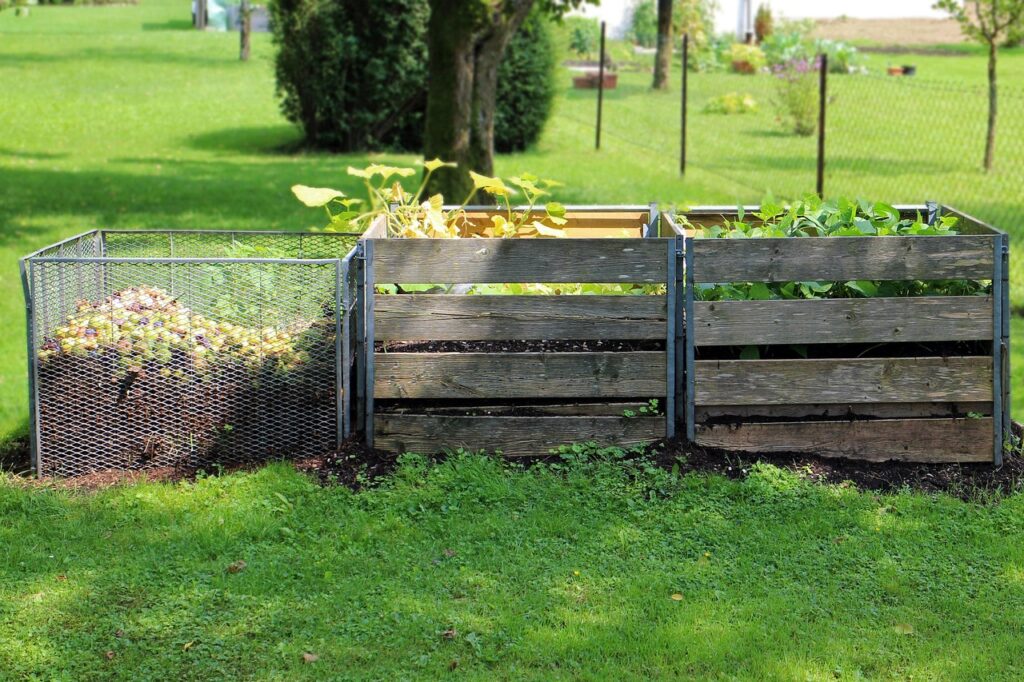
You don’t need fancy gear to start composting. At the core, it’s just a spot to pile your scraps and let nature do the work. A basic setup includes a bin with good ventilation, an optional lid to keep rain and critters out, and a patch of outdoor space think backyard corner, balcony nook, or even a side alley.
You can use what you already have, or go the recycling route. Old plastic storage bins work great. So do wooden pallets (just make sure they’re untreated) or cleaned out trash cans. Drill a few holes in the sides and bottom for airflow and drainage, and you’re set.
As for location, keep it practical. You want a spot with good drainage that won’t flood when it rains. Access matters too you’ll be tossing in scraps often and turning the pile now and then so make it somewhere easy to reach. And if smell or pests are a worry, avoid placing the bin too close to doors or windows.
Simple supplies. Minimal fuss. Big impact.
Wire Mesh Circle
If you’re looking for simple and flexible, the wire mesh circle is hard to beat. It’s a no fuss solution that works especially well for yard waste like grass clippings, dry leaves, and small branches. All you need is a stretch of wire mesh hardware cloth or chicken wire will do shaped into a circle about three to four feet across. Use garden stakes or a few spare rods to anchor it in place.
There’s no top or bottom, so airflow is natural and continuous. That means less chance of soggy compost and no need to drill holes or create slats. Plus, if you need to shift or expand your setup later, just unhook it and move. If you’re starting a pile quickly, on a budget, or don’t want to overthink it, this method gets the job done with zero tools and minimal effort.
What to Put In (and Leave Out)

A good compost pile is all about balance. You need a mix of green and brown materials to get the right chemistry going. Greens are your wet, nitrogen rich items think veggie peels, spent coffee grounds, and grass clippings. These break down fast and heat things up. On the other hand, browns are dry and carbon heavy like fallen leaves, shredded paper, and egg cartons. They slow the process slightly but give compost its structure and smell good finish.
What to skip is just as important. Steer clear of meat, dairy, oils, and pet waste. These can attract pests, smell awful, and throw off the microbial balance. Stick to plant based scraps and simple materials. If it came from the earth and isn’t greasy or spoiled, you’re probably good to go.
Keep a small bin in the kitchen for scraps, and feed your compost pile gradually. Eyes on the basics, and the rest takes care of itself.
Compost Maintenance Tips
Keeping your compost healthy isn’t complicated, but it does require some attention. A well balanced compost pile breaks down faster and smells better plus, it produces richer results for your garden.
Mix It Regularly
Compost needs oxygen to decompose properly. Without it, materials can turn slimy and start to smell unpleasant. To keep things fresh:
Stir or turn your compost every 1 2 weeks
Use a pitchfork or compost aerator for best results
Make sure oxygen can flow through all parts of the bin
Balance Your Greens and Browns
Compost thrives when there’s a good ratio of green (nitrogen rich) and brown (carbon rich) materials.
Greens: fruit and veggie scraps, coffee grounds, fresh grass clippings
Browns: dry leaves, shredded paper, cardboard
A general rule of thumb: aim for 2 3 parts browns to every 1 part green to avoid odors and promote breakdown.
Adjust Moisture Levels
Your compost should feel like a wrung out sponge not too dry, not too wet.
Too dry? Add a bit of water and mix it in evenly
Too wet? Layer in more brown materials like paper, cardboard, or dried leaves
Proper moisture helps the microbes do their job and keeps your bin running efficiently.
When It’s Ready & What To Do With It
How to Tell Your Compost is Done
The best compost isn’t just a pile of scraps it transforms into something that looks and smells like soil. You’ll know it’s ready for your garden when:
The texture is crumbly and fine, with no recognizable food bits
It has a rich, earthy smell, not sour or rotten
The color is dark brown or black
Smart Ways to Use Your Finished Compost
Once your compost reaches maturity, it’s time to put it to work. Here are some effective places to use it:
Garden beds Mix into soil for a nutrient boost
Planters and containers Great for houseplants and outdoor pots
Lawn topdressing Sprinkle thin layers across your lawn to enhance soil health
Compost + Zero Waste Gardening
Compost isn’t just a side benefit it’s a core principle of a zero waste gardening lifestyle. Using your homemade compost completes the cycle of sustainability:
Reduces reliance on chemical fertilizers
Keeps food and yard waste out of landfills
Feeds your soil naturally for long term garden health
Wrap Up Moves
Composting doesn’t need to be complicated. A single bin, fed regularly with a balance of greens and browns, can make a serious difference. Stick with the system keep your mix turning, monitor moisture, and don’t overthink it. Consistency trumps perfection here.
Skip the synthetic fertilizers. When you’ve got nutrient rich compost coming from your own kitchen scraps and yard waste, store bought boosters become optional. You’re growing a healthier soil biome, not just feeding plants day to day.
Put in a little effort now, and you’ll be thanking yourself come spring or any season, really. One small compost bin can yield season after season of growth, with less waste and more self reliance.
 Carmena Coyleris has opinions about creative inspirations. Informed ones, backed by real experience — but opinions nonetheless, and they doesn't try to disguise them as neutral observation. They thinks a lot of what gets written about Creative Inspirations, Home and Garden Trends, Outdoor Living Solutions is either too cautious to be useful or too confident to be credible, and they's work tends to sit deliberately in the space between those two failure modes.
Reading Carmena's pieces, you get the sense of someone who has thought about this stuff seriously and arrived at actual conclusions — not just collected a range of perspectives and declined to pick one. That can be uncomfortable when they lands on something you disagree with. It's also why the writing is worth engaging with. Carmena isn't interested in telling people what they want to hear. They is interested in telling them what they actually thinks, with enough reasoning behind it that you can push back if you want to. That kind of intellectual honesty is rarer than it should be.
What Carmena is best at is the moment when a familiar topic reveals something unexpected — when the conventional wisdom turns out to be slightly off, or when a small shift in framing changes everything. They finds those moments consistently, which is why they's work tends to generate real discussion rather than just passive agreement.
Carmena Coyleris has opinions about creative inspirations. Informed ones, backed by real experience — but opinions nonetheless, and they doesn't try to disguise them as neutral observation. They thinks a lot of what gets written about Creative Inspirations, Home and Garden Trends, Outdoor Living Solutions is either too cautious to be useful or too confident to be credible, and they's work tends to sit deliberately in the space between those two failure modes.
Reading Carmena's pieces, you get the sense of someone who has thought about this stuff seriously and arrived at actual conclusions — not just collected a range of perspectives and declined to pick one. That can be uncomfortable when they lands on something you disagree with. It's also why the writing is worth engaging with. Carmena isn't interested in telling people what they want to hear. They is interested in telling them what they actually thinks, with enough reasoning behind it that you can push back if you want to. That kind of intellectual honesty is rarer than it should be.
What Carmena is best at is the moment when a familiar topic reveals something unexpected — when the conventional wisdom turns out to be slightly off, or when a small shift in framing changes everything. They finds those moments consistently, which is why they's work tends to generate real discussion rather than just passive agreement.