Why Recycled is the New Refined
Recycled materials aren’t just a feel good option they’re a smart one. Using what’s already out there helps cut down on landfill waste and slashes the carbon cost of manufacturing new pavers or stone. For homeowners and DIY ers, that also means saving money. Bricks from a torn down building or chunks of salvaged concrete are often free or dirt cheap if you know where to look.
But the appeal isn’t just practical it’s visual. Unlike rows of perfect, off the shelf pavers, recycled materials come with texture, character, and history. You’ll get variations in color, shape, and wear that make a path feel lived in and genuinely one of a kind. Mosaic tiles with imperfect edges. Bricks with old manufacturing stamps. Wood rounds that showcase grain patterns. It’s about elevating imperfection into design.
Using recycled materials also pushes the definition of what a landscaped path can be. You don’t need uniform flagstone or poured cement to make a walkway. In 2024, giving your yard personality means pulling from what’s around you. It’s creative, it’s resourceful, and it works even if you’re on a tight budget.
Ideas Worth Salvaging
You don’t need a cart full of store bought pavers to build a standout path. With some imagination and maybe a crowbar you can repurpose castoffs into something functional, beautiful, and sustainably smart.
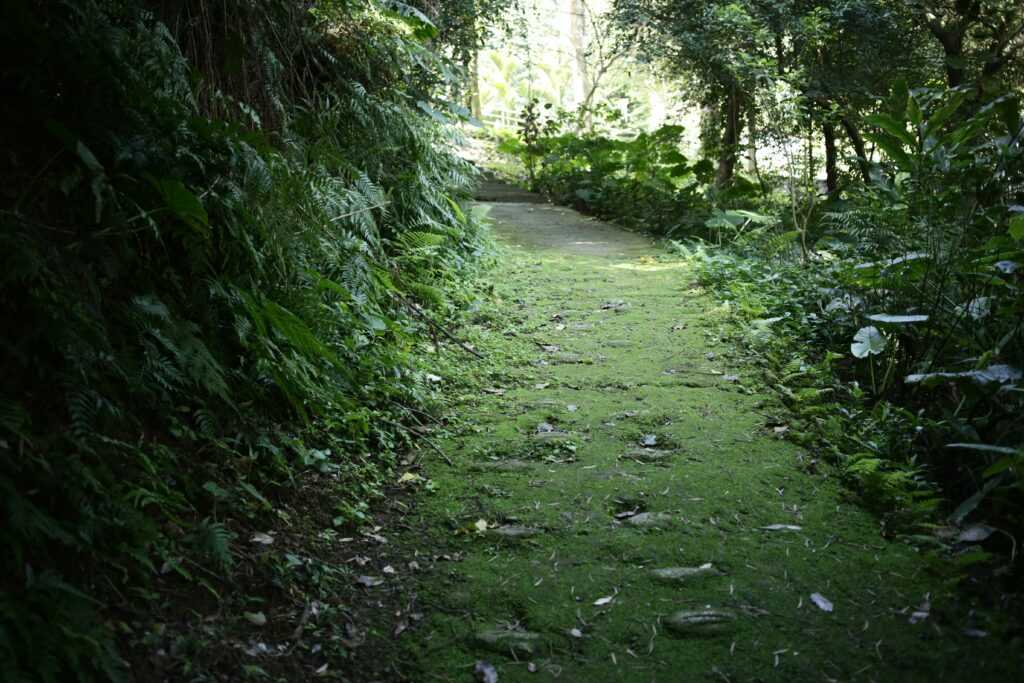
Broken concrete, or “urbanite,” makes a solid start. Its jagged, organic edges fit surprisingly well into garden settings. Drop the pieces in like oversized stepping stones and let moss or thyme settle around them. It gives a natural look and keeps junk out of landfills.
Old bricks and chipped tiles can be laid out in loose patterns or tight mosaics, great for curved walkways or accent strips. Even roof shingles (yep, shingles) can create fun, textured borders if you stack them right.
Wood slices from fallen branches, stumps, or tear out lumber add a warm, rustic tone underfoot just seal them properly so they stand up to the weather.
Want a little color? Flip bottles upside down or use their edges to frame a path. Glass catches sunlight and throws sparkle. Just be sure everything’s buffered for safety.
For more edge? Try industrial scraps like metal grates or old sheet panels. They bring contrast, structure, and a bit of attitude to softer garden beds. Imperfect is the point this look works best when the materials tell their story.
Find more recycled pathway ideas here.
Planning Around the Unexpected

Start by laying everything out literally. When you’re working with irregular materials like broken pavers, salvaged bricks, or wood slices, there’s no blueprint. Sketch a rough outline of your path with string, chalk, or even a garden hose. Then set your materials loosely on the ground, playing with placement until a natural rhythm emerges. Gaps and uneven edges make it interesting, not ugly. Embrace the chaos, but aim for flow.
Shapes and sizes will vary, so think like a puzzle solver. Place the largest, flattest pieces first where people step most. Fill smaller parts in between with gravel, bark, or sand. For leveling, a handheld tamp or mallet and a simple level are your best friends. Compact dirt or add some crushed base underneath the wobbly bits. No need to pour concrete use landscape adhesive or edge restraints if things slide around too much.
Drainage matters. If you’re repurposing dense materials like tile or metal, make sure water can run off or soak through. Slight slopes help. Better yet, keep gravel or mulch between hard materials to reduce puddling. This kind of project rewards patience and a mindset that sees beauty in the imperfect.
Build Smart, Not Hard
Let’s get one thing straight building a recycled pathway isn’t about having the fanciest tools on the market. You need a solid shovel, a level, a decent set of gloves, and maybe a wheelbarrow. That’s it. Skip the expensive compactors unless you’re laying down tons of material. Most of the high end gear gets used once before collecting dust. Simpler setups get the job done and let you stay close to the project.
That said, safety isn’t optional. Recycled materials can come with risks splintered wood, jagged metal, or concrete with exposed rebar. Always wear gloves and boots with tough soles. Use a mask when cutting or sanding anything treated or painted, especially older wood that might contain chemicals. Don’t assume everything you find is good to go handle it like it might bite.
Sourcing smart is half the fun. Local Buy Nothing groups, Craigslist curb alerts, and Facebook Marketplace often turn up hidden gems. Demolition sites are goldmines check with contractors for permission to salvage. Salvage yards can have bricks, tiles, and fencing for pennies on the dollar if you’re willing to get a little dirty. Keep your eyes and your options open. The best finds usually aren’t obvious.
Less gear. More grit. That’s how you build a pathway worth walking.
Results that Tell a Story
Backyard pathways built from recycled materials can do more than help you get from point A to point B they can invite conversation, spark curiosity, and reflect your creative fingerprint. Choosing to work with salvaged elements gives you the freedom to design a trail that’s both practical and deeply personal.
Turn Your Pathway into a Conversation Starter
Think of your path as a form of storytelling. Every brick, bottle, or piece of wood has a previous life and bringing those items together creates a unique narrative.
Use stamped or painted bricks to add mystery or humor
Include items with historic or sentimental value (e.g., old tiles from a grandparent’s house)
Highlight deliberate asymmetry for artistic flair
Mix for Texture, Contrast, and Tone
Don’t be afraid to combine materials. Juxtaposing elements like cool toned metal with warm wood, or smooth glass with rough stone, can create a deck of rich textures underfoot.
Alternate materials every few steps
Place different textures side by side for visual and tactile contrast
Use recurring motifs to tie the path together stylistically
Let Imperfection Shine
Handmade doesn’t mean haphazard. Embrace a bold, DIY aesthetic that celebrates the character of each reused element.
Don’t over edit those chips and cracks add charm
Highlight imperfections by purposely placing them at focal points
Use asymmetry to create visual rhythm
For additional pattern ideas, layout tips, and case studies, check out this guide on recycled pathway ideas.
 Carmena Coyleris has opinions about creative inspirations. Informed ones, backed by real experience — but opinions nonetheless, and they doesn't try to disguise them as neutral observation. They thinks a lot of what gets written about Creative Inspirations, Home and Garden Trends, Outdoor Living Solutions is either too cautious to be useful or too confident to be credible, and they's work tends to sit deliberately in the space between those two failure modes.
Reading Carmena's pieces, you get the sense of someone who has thought about this stuff seriously and arrived at actual conclusions — not just collected a range of perspectives and declined to pick one. That can be uncomfortable when they lands on something you disagree with. It's also why the writing is worth engaging with. Carmena isn't interested in telling people what they want to hear. They is interested in telling them what they actually thinks, with enough reasoning behind it that you can push back if you want to. That kind of intellectual honesty is rarer than it should be.
What Carmena is best at is the moment when a familiar topic reveals something unexpected — when the conventional wisdom turns out to be slightly off, or when a small shift in framing changes everything. They finds those moments consistently, which is why they's work tends to generate real discussion rather than just passive agreement.
Carmena Coyleris has opinions about creative inspirations. Informed ones, backed by real experience — but opinions nonetheless, and they doesn't try to disguise them as neutral observation. They thinks a lot of what gets written about Creative Inspirations, Home and Garden Trends, Outdoor Living Solutions is either too cautious to be useful or too confident to be credible, and they's work tends to sit deliberately in the space between those two failure modes.
Reading Carmena's pieces, you get the sense of someone who has thought about this stuff seriously and arrived at actual conclusions — not just collected a range of perspectives and declined to pick one. That can be uncomfortable when they lands on something you disagree with. It's also why the writing is worth engaging with. Carmena isn't interested in telling people what they want to hear. They is interested in telling them what they actually thinks, with enough reasoning behind it that you can push back if you want to. That kind of intellectual honesty is rarer than it should be.
What Carmena is best at is the moment when a familiar topic reveals something unexpected — when the conventional wisdom turns out to be slightly off, or when a small shift in framing changes everything. They finds those moments consistently, which is why they's work tends to generate real discussion rather than just passive agreement.