The intersection of sports and sustainability has grown stronger in recent years, with major organizations and star athletes using their platforms to support eco-friendly initiatives. From green building projects to sustainable housing for charity organizations, the NFL and some of its most influential players have taken meaningful steps toward reducing environmental impact while improving lives. These projects show how the sports world can go beyond entertainment and create long-term change.
The NFL’s Green Initiatives and Sustainable Housing
The NFL has long pushed for sustainability across its operations, including stadium upgrades, waste reduction, and energy efficiency. The league’s focus on environmental responsibility has extended into community projects that support families and local organizations.
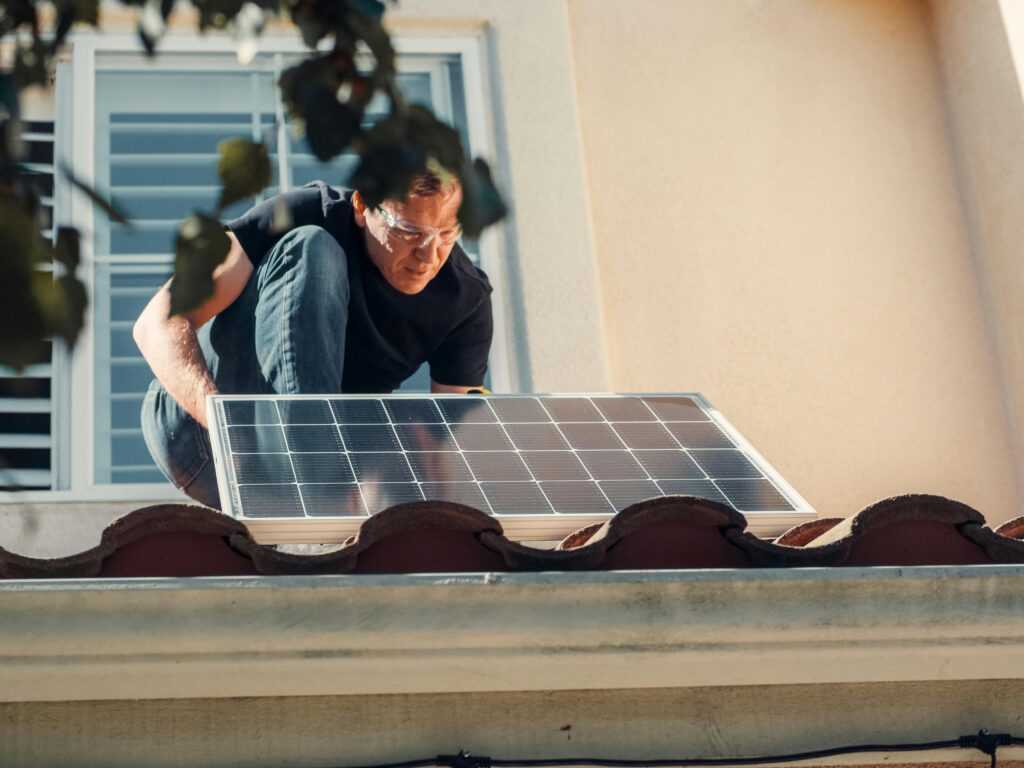
One notable example is the NFL’s ongoing work with Habitat for Humanity, a nonprofit that builds and repairs homes for families in need. While the league is not always directly involved in constructing sustainable homes, its partnership helps fund and support energy-efficient building practices. Habitat for Humanity often incorporates green features such as improved insulation, solar panels, and efficient heating systems. These upgrades reduce long term costs for homeowners and create a healthier living environment.
The NFL also promotes sustainable design through its stadium initiatives. Several teams have invested in green building certifications, solar energy, and water conservation systems. These projects help set a standard for environmentally responsible development and demonstrate how large organizations can prioritize sustainability.
Players Investing in Sustainable Homes
Some NFL players have gone beyond donations and endorsements to directly support sustainable housing initiatives. Their contributions range from funding energy-efficient builds to partnering with organizations that focus on green construction.
T.J. Watt, the Pittsburgh Steelers star, has supported charitable initiatives through the T.J. Watt Foundation, which focuses on providing youth with tools for success. In partnership with local organizations, the foundation has supported community development projects that include housing improvements. While not always labeled as sustainable builds, many of these projects use energy-efficient upgrades that reduce long-term utility costs for families.
Another player who has used his platform for housing support is Justin Jefferson. Jefferson has been involved in community work in Minnesota and Louisiana, focusing on education and youth support. Some of these initiatives include supporting home repairs and community improvement programs that incorporate energy-saving upgrades. These efforts help families maintain safe living conditions while reducing their environmental footprint.
NFL Teams and Sustainable Housing Partnerships
Several NFL teams have also partnered with local nonprofits to support housing projects. These collaborations often include volunteer efforts, fundraising, and public awareness campaigns.
For example, the New York Giants and New York Jets, though very popular picks for DraftKings when playing Super Bowl opponents, have supported Habitat for Humanity in the New York area through volunteer builds and fundraising events. These partnerships help deliver affordable housing solutions to families while promoting sustainable building practices. Habitat for Humanity’s focus on energy-efficient construction aligns with the long-term goals of both organizations.
Similarly, the San Francisco 49ers have supported community housing initiatives through the 49ers Foundation, which focuses on youth development and community support. The foundation’s projects often include community development and housing improvements that prioritize safe, energy-efficient living spaces.
Why Sustainable Homes Have a Future
Sustainable homes provide more than environmental benefits. They also help families save money on utility costs, improve indoor air quality, and create healthier living environments. For families in need, these improvements can make a significant difference in daily life.
Energy-efficient homes also contribute to broader environmental goals. Buildings are responsible for a significant portion of energy use and greenhouse gas emissions. By supporting sustainable housing projects, sports organizations and athletes can help reduce the environmental impact of housing while providing long-term benefits to communities.
The Future of Sports and Sustainability
The role of sports in sustainability is only expected to grow. Fans are increasingly interested in supporting organizations that demonstrate social responsibility, and athletes are using their influence to drive change. As more teams and players invest in sustainable housing projects, the impact will extend beyond game day.
These initiatives also highlight how sports can create positive change beyond the field. Whether through league partnerships with Habitat for Humanity or player-supported community builds, sustainable housing projects are a powerful example of how sports can support both people and the planet.
The NFL and its players are uniquely positioned to influence communities and create real-world change. By investing in sustainable homes for charity organizations, they show that sports can be a force for good in multiple ways. As these initiatives continue, the connection between athletics, sustainability, and community development will only grow stronger.
If you want to learn more about how athletes and teams are supporting green initiatives, following their community foundations and nonprofit partnerships is a great place to start. And for those interested in the broader cultural impact, the growing trend of sustainability in sports is worth watching closely.
 Carmena Coyleris has opinions about creative inspirations. Informed ones, backed by real experience — but opinions nonetheless, and they doesn't try to disguise them as neutral observation. They thinks a lot of what gets written about Creative Inspirations, Home and Garden Trends, Outdoor Living Solutions is either too cautious to be useful or too confident to be credible, and they's work tends to sit deliberately in the space between those two failure modes.
Reading Carmena's pieces, you get the sense of someone who has thought about this stuff seriously and arrived at actual conclusions — not just collected a range of perspectives and declined to pick one. That can be uncomfortable when they lands on something you disagree with. It's also why the writing is worth engaging with. Carmena isn't interested in telling people what they want to hear. They is interested in telling them what they actually thinks, with enough reasoning behind it that you can push back if you want to. That kind of intellectual honesty is rarer than it should be.
What Carmena is best at is the moment when a familiar topic reveals something unexpected — when the conventional wisdom turns out to be slightly off, or when a small shift in framing changes everything. They finds those moments consistently, which is why they's work tends to generate real discussion rather than just passive agreement.
Carmena Coyleris has opinions about creative inspirations. Informed ones, backed by real experience — but opinions nonetheless, and they doesn't try to disguise them as neutral observation. They thinks a lot of what gets written about Creative Inspirations, Home and Garden Trends, Outdoor Living Solutions is either too cautious to be useful or too confident to be credible, and they's work tends to sit deliberately in the space between those two failure modes.
Reading Carmena's pieces, you get the sense of someone who has thought about this stuff seriously and arrived at actual conclusions — not just collected a range of perspectives and declined to pick one. That can be uncomfortable when they lands on something you disagree with. It's also why the writing is worth engaging with. Carmena isn't interested in telling people what they want to hear. They is interested in telling them what they actually thinks, with enough reasoning behind it that you can push back if you want to. That kind of intellectual honesty is rarer than it should be.
What Carmena is best at is the moment when a familiar topic reveals something unexpected — when the conventional wisdom turns out to be slightly off, or when a small shift in framing changes everything. They finds those moments consistently, which is why they's work tends to generate real discussion rather than just passive agreement.